December 5, 2025 • Mary Marshall
Batch Password Reset Security: Managing High-Volume Requests Without Compromising Enterprise Security
Learn how to securely manage batch password resets while maintaining enterprise security. Discover best practices, automation solutions.
IT administrators frequently face scenarios requiring password resets for multiple users simultaneously. Whether during onboarding waves, security incidents, or compliance-driven password refreshes, batch password management presents unique security challenges that demand careful consideration. According to a 2023 Ponemon Institute study, an estimated 40% of all help desk calls still involve password reset requests, costing organizations an average of $70 per incident.
This comprehensive guide explores how organizations can effectively manage high-volume password resets without compromising security, compliance, or user experience—balancing efficiency with robust protection against credential-based threats.
The Security Challenges of Batch Password Resets
Batch password resets introduce several security vulnerabilities when not properly managed:
Increased Attack Surface
Mass password resets create a concentrated window of opportunity for attackers. When many users receive temporary credentials simultaneously, the organization faces heightened risk as these credentials may be intercepted, especially if communicated through insecure channels.
Credential Distribution Challenges
How do you securely distribute hundreds or thousands of temporary passwords? Email, while convenient, presents security risks. Text messages can be intercepted. Physical distribution is resource-intensive. Each method introduces potential vulnerability points.
Temporary Password Risks
According to IBM’s 2023 Cost of a Data Breach Report, compromised credentials remain the most common attack vector, responsible for 19% of breaches. Temporary passwords used during batch resets are particularly vulnerable, as they often follow predictable patterns and may remain active longer than intended.
User Behavior Concerns
Users receiving batch-reset passwords often exhibit problematic behaviors, including:
- Writing down temporary credentials
- Delaying password changes
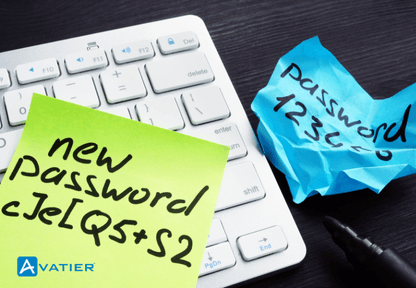
- Creating similar passwords across systems
- Sharing credentials with colleagues facing similar issues
Best Practices for Secure Batch Password Resets
Implementing these strategies can significantly enhance security during high-volume reset scenarios:
1. Leverage Self-Service Password Reset Solutions
Self-service password management solutions like Avatier’s Password Management eliminate the need for IT-driven batch resets by empowering users to manage their credentials securely. This approach:
- Reduces help desk burden
- Ensures proper authentication before resets
- Creates an audit trail for compliance
- Distributes reset timing, avoiding security windows
2. Implement Strong Authentication for Resets
When batch resets are necessary, require robust authentication before providing new credentials:
- Employ multi-factor authentication
- Verify identity through previously registered information
- Use out-of-band verification methods
- Consider biometric verification where feasible
3. Enforce Immediate Password Changes
Temporary passwords should have extremely limited lifespans:
- Configure systems to force password changes at next login
- Set short expiration windows (4-8 hours maximum)
- Monitor for unused temporary credentials
- Automatically disable accounts with unused temporary passwords
4. Utilize Random Password Generation
Enterprise password management solutions should employ truly random password generation for temporary credentials, avoiding:
- Sequential numbering
- Date-based patterns
- User-related information
- Common organizational terminology
5. Create Secure Distribution Protocols
Establish secure methods for delivering temporary credentials:
- Use separate channels for username and password delivery
- Implement encrypted communication channels
- Consider secure password vaults for distribution
- Avoid sending all credentials simultaneously
Automating Batch Password Resets Securely
Automation plays a critical role in maintaining security during high-volume password scenarios. Modern IAM solutions offer sophisticated automation capabilities that transform this traditionally risky process.
Workflow Automation Benefits
Password management workflow automation delivers significant security advantages:
- Ensures consistent policy application
- Creates comprehensive audit trails
- Reduces human error in reset processes
- Enables precise timing controls
Secure Automation Components
An effective password management solution should include these automation features:
Scheduled Reset Capabilities
Rather than resetting all passwords simultaneously, stagger resets to reduce the attack window:
- Group users by department or function
- Schedule resets during appropriate business hours
- Consider geographical distribution for global organizations
- Allow flexibility for critical operational needs
Automated Notifications
Communication is crucial during batch resets:
- Provide advance notice to affected users
- Send instructions through verified channels
- Include security reminders about phishing risks
- Offer support resources for assistance
Integration with Identity Governance
Password resets should connect with broader identity governance frameworks:
- Validate user entitlements before resets
- Update access certification records
- Feed into risk management systems
- Support compliance documentation requirements
Compliance Considerations for Batch Password Resets
High-volume password management intersects with numerous regulatory requirements. Proper handling is essential for maintaining compliance with:
Industry Regulations
Various regulations impact password reset procedures:
- HIPAA: Requires safeguards for PHI access credentials
- PCI DSS: Mandates strict password controls for cardholder data access
- SOX: Necessitates controls over financial system access
- GDPR: Requires protection of authentication data as personal information
Documentation Requirements
Batch reset processes must generate appropriate documentation:
- Who authorized the reset
- When resets occurred
- Verification methods used
- Chain of custody for credentials
- User acknowledgment of receipt
A solution like Avatier’s Access Governance can help maintain this critical documentation automatically.
Risk Assessment Requirements
Many compliance frameworks require formal risk assessments for credential management:
- Document security controls for batch resets
- Identify potential vulnerabilities
- Implement compensating controls
- Update risk registers accordingly
Technological Solutions for Secure Batch Resets
Modern identity management platforms offer specialized capabilities for handling high-volume password scenarios securely.
Self-Service Password Management
Self-service solutions provide the most secure approach to large-scale password changes by:
- Eliminating central distribution of credentials
- Requiring proper authentication before resets
- Creating individual reset events rather than batches
- Maintaining comprehensive audit trails
Avatier’s Identity Anywhere Password Management offers comprehensive self-service capabilities that address the core security challenges of batch resets.
Multi-Channel Authentication
Modern password management platforms support sophisticated authentication:
- Biometric verification options
- Mobile device verification
- Knowledge-based authentication
- Hardware token support
Temporary Password Controls
Advanced password management solutions provide specialized features for temporary credential security:
- Time-limited passwords
- One-time use credentials
- Force-change requirements
- Automated revocation
Single Sign-On Integration
Integrating with SSO solutions reduces the impact of batch resets by:
- Limiting the number of credentials requiring resets
- Centralizing authentication security
- Providing alternative access methods during resets
- Supporting stronger authentication options
Case Study: Financial Services Password Reset Transformation
A global financial services organization previously conducted quarterly password resets for regulatory compliance, creating significant security and operational challenges. Their IT team would generate and distribute over 10,000 temporary passwords during a compressed weekend window.
After implementing Avatier’s Password Management solution with staggered self-service capabilities, the organization:
- Reduced the attack surface by eliminating mass temporary password creation
- Decreased help desk calls by 78% during reset periods
- Improved compliance documentation through automated audit trails
- Enhanced user satisfaction by eliminating forced reset windows
Comparing Enterprise Password Reset Solutions
When evaluating solutions for high-volume password management, organizations should consider these capabilities:
| Feature | Traditional Approaches | Modern IAM Solutions like Avatier |
| Reset Initiation | IT-driven | Self-service enabled |
| Password Distribution | Email or verbal | Multi-channel secure distribution |
| Authentication Requirements | Often minimal | Multi-factor capabilities |
| Audit Trail | Manual documentation | Automated, comprehensive logging |
| User Experience | Disruptive | Streamlined and intuitive |
| Compliance Support | Manual processes | Built-in compliance features |
| Temporary Password Security | Often weak | Strong controls and monitoring |
Implementing a Secure Batch Reset Strategy
Organizations can follow this framework to develop secure batch reset capabilities:
1. Assessment Phase
Begin by understanding your current environment:
- Identify systems requiring password resets
- Map dependencies between systems
- Document current reset procedures
- Assess security vulnerabilities in existing processes
2. Technology Selection
Select appropriate tools for secure password management:
- Self-service password reset capabilities
- Multi-factor authentication integration
- Automated workflow management
- Compliance documentation features
3. Process Development
Create detailed processes for different reset scenarios:
- New employee onboarding
- Security incident response
- Compliance-driven resets
- Merger/acquisition integration
4. Implementation Planning
Develop a phased implementation approach:
- Pilot with limited user groups
- Create feedback mechanisms
- Establish success metrics
- Define rollback procedures
5. User Education
Prepare users for password management changes:
- Provide clear instructions
- Explain security benefits
- Offer multiple training options
- Create accessible support resources
Conclusion: Balancing Security and Efficiency
Batch password resets represent a significant security challenge that organizations must address thoughtfully. By implementing the right combination of technology, processes, and user education, IT leaders can transform this traditionally vulnerable process into a security strength.
Self-service solutions like Avatier’s Password Management provide the most comprehensive answer to batch reset challenges by eliminating the fundamental security risks of mass credential distribution while improving the user experience and reducing operational burdens.
As credential-based attacks continue to dominate the threat landscape, organizations that implement secure, user-centric password management will gain both security advantages and operational efficiencies—proving that properly managed authentication can be both highly secure and highly efficient.