January 3, 2026 • Mary Marshall
Password Strength Guidance in Self-Service: Educating Users During Reset
Discover how effective password guidance during self-service reset processes improves security posture while reducing help desk costs.
Passwords remain the primary authentication method for most organizations despite the growing adoption of multifactor authentication. According to recent research, 81% of data breaches involve weak or stolen passwords, highlighting the critical importance of strong password practices. Yet many organizations struggle with implementing effective password policies that balance security requirements with user experience.
The Password Paradox: Security vs. Usability
IT departments face a constant challenge: enhancing security without creating friction for users. This dilemma is particularly evident in password management, where strict requirements often lead to:
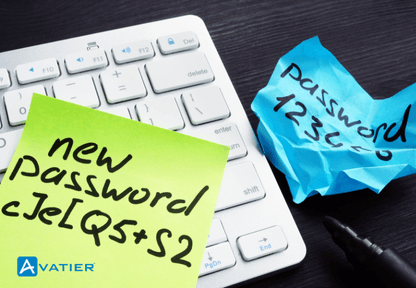
- Users writing down complex passwords
- Password fatigue and repeated reset requests
- Increased help desk tickets for password-related issues
- Productivity losses during password lockouts
According to Forrester Research, password reset requests constitute 20-50% of all help desk calls, with each call costing organizations between $25 and $70. For enterprises, this translates to millions in annual support costs that could be significantly reduced with effective self-service solutions.
The Value of Self-Service Password Management
Avatier’s Password Management solution addresses these challenges by empowering users to reset their own passwords while simultaneously educating them about password strength. This dual approach not only reduces IT burden but also improves overall security posture through real-time password strength guidance.
Key Benefits of Self-Service Password Reset with Guidance:
- Reduced IT Support Costs: Automation of password resets eliminates a major source of help desk tickets
- Improved Security Culture: Real-time education during password creation builds security awareness
- Enhanced User Experience: Intuitive interfaces with immediate feedback reduce user frustration
- Consistent Policy Enforcement: Automated systems ensure all passwords meet organizational requirements
- Detailed Audit Trails: Comprehensive logging for compliance and security analysis
Effective Password Strength Guidance Techniques
Simply providing a password reset tool isn’t enough. Organizations must incorporate educational components that guide users toward creating stronger passwords while explaining the reasoning behind requirements.
Visual Strength Meters
Password strength meters provide immediate visual feedback about password quality. Studies from Carnegie Mellon University show that well-designed strength meters motivate users to create stronger passwords, especially when:
- Colors intuitively signal strength (red for weak, green for strong)
- Specific improvement suggestions accompany strength ratings
- Meters reflect actual cryptographic strength, not just policy compliance
Real-Time Feedback and Suggestions
Modern password management systems should offer contextual guidance as users type, such as:
- Identifying when personal information is being used
- Suggesting how to transform weak passwords into stronger alternatives
- Explaining why certain patterns reduce password security
- Providing positive reinforcement when users create strong passwords
Avatier’s Password Management implements these best practices through intuitive interfaces that educate users during the reset process without creating frustration.
Creating Effective Password Policies
Password policies must balance security requirements with usability considerations. The latest NIST guidelines (Special Publication 800-63B) recommend:
- Minimum length requirements (at least 8 characters) over complexity rules
- Checking passwords against known compromised credentials
- Allowing longer passphrases with spaces
- Limiting password expiration requirements
Organizations implementing these recommendations through self-service systems have reported up to 70% reduction in password-related help desk calls and significant improvements in security posture.
Password Bouncer: Beyond Basic Requirements
Traditional password policies focus solely on complexity rules (uppercase, lowercase, numbers, symbols). However, modern approaches recognize the limitations of this method. Avatier’s Password Bouncer takes password verification further by:
- Screening against dictionary words and common passwords
- Detecting keyboard patterns and character repetitions
- Checking for personal information that could be easily guessed
- Preventing password reuse across multiple systems
- Ensuring compliance with industry regulations like NIST 800-53
This comprehensive approach prevents users from creating passwords that technically meet complexity requirements while remaining vulnerable to attack methods like dictionary cracking.
Educating Users Without Creating Friction
The key to successful password education lies in delivering information at the moment of need without interrupting user workflow. Effective approaches include:
Contextual Learning
Rather than presenting generic password guidelines, effective systems provide specific feedback relevant to the password being created:
- “This password contains a common word that makes it vulnerable to dictionary attacks”
- “Adding a symbol between words significantly increases password strength”
- “Using personal information like birthdates creates vulnerability”
Gamification Elements
Some organizations have successfully incorporated gamification to encourage stronger passwords:
- Achievement badges for creating strong passwords
- Progress indicators showing improvement over time
- Positive reinforcement for security-conscious behaviors
Teachable Moments
The password reset process represents a prime “teachable moment” when users are receptive to security information. Brief explanations of why certain practices matter can build security awareness without feeling like formal training.
Implementing Self-Service Password Management Effectively
For organizations looking to implement or improve self-service password reset solutions with educational components, consider these best practices:
1. Multi-Channel Accessibility
Avatier’s Identity Anywhere approach ensures password reset functionality is available across multiple platforms:
- Mobile applications for on-the-go access
- Web interfaces for desktop users
- Integration with help desk ticketing systems
- Chat and messaging platform integration
This accessibility ensures users can reset passwords whenever needed, reducing lockout periods and associated productivity losses.
2. Seamless Authentication
Before allowing password resets, systems must verify the user’s identity through secure methods:
- Multi-factor authentication options
- Knowledge-based authentication questions
- Email or SMS verification codes
- Biometric verification where available
The authentication process should be proportional to the security requirements of the organization while remaining user-friendly.
3. Comprehensive Reporting and Analytics
Effective password management systems provide analytics that help organizations understand:
- Common patterns in password creation
- Success rates of self-service reset attempts
- Time savings compared to help desk intervention
- Security improvements over time
These insights allow continuous refinement of both the technical solution and educational components.
Compliance Considerations in Password Management
Different industries face varying regulatory requirements for password management. A robust self-service password management solution should address compliance needs across sectors:
- Healthcare: HIPAA requirements for access controls and audit trails
- Finance: SOX and PCI-DSS requirements for authentication and segregation of duties
- Government: FISMA and NIST 800-53 guidelines for identification and authentication
- Education: FERPA compliance for protecting student information
The Future of Password Education in Self-Service
As authentication technologies evolve, password education must adapt to new challenges and opportunities:
Integration with Passwordless Authentication
While completely passwordless environments remain the goal for many organizations, most implement hybrid approaches where passwords coexist with newer authentication methods. Password education must prepare users for this transition by:
- Explaining the security benefits of multifactor authentication
- Teaching proper management of authentication apps and devices
- Building understanding of risk-based authentication concepts
AI-Driven Personalized Guidance
Machine learning algorithms can personalize password guidance based on user behavior patterns, providing:
- Custom suggestions based on observed password creation habits
- Adaptive security requirements based on risk profiles
- Predictive analytics to identify potential security issues before they occur
Conclusion: Building Security Through Education
Effective password strength guidance during self-service reset processes represents a unique opportunity to improve organizational security while simultaneously enhancing user experience and reducing IT costs. By implementing solutions like Avatier’s Password Management, organizations can transform password resets from frustrating help desk interactions into valuable educational moments that strengthen overall security posture.
The most successful implementations balance security requirements with usability considerations, provide clear guidance without creating friction, and collect analytics to continuously improve both the technical solution and educational components. As authentication technologies continue to evolve, these educational moments will remain critical in building a security-conscious culture prepared for tomorrow’s challenges.
For organizations seeking to implement these best practices, Avatier’s comprehensive identity management solutions provide the flexibility, security, and user-friendly interfaces needed to make password education an effective component of overall security strategy.