July 6, 2025 • Mary Marshall
Push Notifications for Authentication: Balancing Security and Convenience in Modern Identity Management
Discover how push notification authentication transforms enterprise security by delivering a perfect balance of security and convenience.
Enterprises face a critical challenge: strengthening security without sacrificing user experience. Push notification authentication has emerged as the golden middle ground, offering robust protection against credential-based attacks while providing the seamless experience users demand. As cybersecurity threats evolve, identity leaders are increasingly turning to this technology to protect their organizations without overwhelming their workforce with cumbersome security procedures.
The Rising Importance of Advanced Authentication Methods
Traditional authentication methods are increasingly vulnerable in today’s sophisticated threat landscape. According to a recent study by Verizon, credentials remain the most coveted data type in breaches, involved in approximately 61% of all data breaches. The limitations of password-based security have become painfully apparent, with 81% of hacking-related breaches involving compromised credentials.
Organizations face growing pressure to implement stronger authentication methods while maintaining productivity. Push notification authentication addresses this dual mandate by providing a frictionless yet highly secure verification method that fits naturally into users’ existing workflows.
What Is Push Notification Authentication?
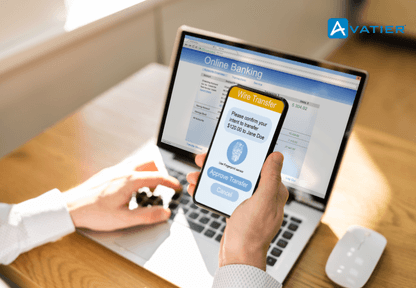
Push notification authentication is a method of identity verification that sends a notification directly to a user’s registered mobile device when they attempt to sign in to an account or service. Rather than entering a time-based one-time password (TOTP) or responding to an SMS code, users simply tap “Approve” on the notification to verify their identity.
This approach offers several critical advantages:
- Improved Security: Eliminates credential-based vulnerabilities
- Enhanced User Experience: Reduces friction in the authentication process
- Reduced Support Costs: Decreases password reset requests and related IT support burdens
- Phishing Resistance: Makes credential theft significantly more difficult
How Push Authentication Compares to Other MFA Methods
When evaluating multifactor authentication options, it’s important to understand how push notifications stack up against alternatives:
| Authentication Method | Security Level | User Convenience | Phishing Resistance | Implementation Complexity |
|---|---|---|---|---|
| Push Notifications | High | High | High | Medium |
| SMS Codes | Medium | Medium | Low | Low |
| TOTP Apps | High | Medium | Medium | Low |
| Hardware Tokens | Very High | Low | Very High | High |
| Biometrics | High | High | High | High |
Push notifications stand out by offering an ideal balance of security and convenience. Unlike SMS-based authentication, which NIST has deprecated due to security vulnerabilities, push notifications are resistant to SIM-swapping attacks and interception.
The Technical Implementation of Push Authentication
Implementing push notification authentication involves several key components:
- Authentication Server: Manages authentication requests and communicates with the mobile application
- Mobile Application: Receives and displays push notifications to the user
- Secure Communication Channel: Ensures encrypted transmission between all components
- Device Registration Process: Associates specific devices with user accounts
- Notification Service: Delivers authentication prompts to user devices (e.g., Apple Push Notification Service, Firebase Cloud Messaging)
Modern identity management platforms like Avatier’s Identity Anywhere integrate push authentication into a comprehensive identity and access management ecosystem, allowing for centralized policy management, detailed authentication analytics, and seamless user experiences across applications.
Security Benefits of Push Notification Authentication
Enhanced Protection Against Common Attack Vectors
Push notifications significantly mitigate several key attack vectors:
Credential Stuffing and Password Spraying
Since push notification authentication doesn’t rely solely on passwords, attackers can’t use credentials harvested from other breaches to gain access, even if users reuse passwords across services.
Man-in-the-Middle Attacks
With encrypted end-to-end communication between authentication servers and user devices, intercepting authentication attempts becomes exceedingly difficult.
Phishing Resistance
Even if users are tricked into entering credentials on a fraudulent site, attackers still cannot complete the authentication process without physical access to the registered device.
According to Okta’s 2023 Businesses at Work report, organizations using push notification authentication experience 80% fewer successful phishing attacks compared to those relying on password-only authentication.
Verification Context and Fraud Detection
Modern push authentication systems provide rich contextual information during the verification process, including:
- Location data of the login attempt
- Device information
- Application being accessed
- Time of request
This context helps users identify potential fraudulent authentication attempts. For example, if a user in New York receives a push notification for a login attempt in Singapore, they can immediately deny the request and alert security teams.
User Experience Considerations
Despite its security benefits, push notification authentication’s success ultimately depends on user adoption. Here are key UX considerations for effective implementation:
Response Time and Reliability
Users expect immediate delivery of push notifications. According to research, 54% of users will abandon an authentication process if it takes longer than 10 seconds. Enterprise-grade solutions must ensure reliable and fast notification delivery across different network conditions and device types.
Clear Communication and Context
Notifications should clearly communicate:
- Which service is requesting authentication
- When the request was initiated
- From what location/device
- What access will be granted
This context not only improves security but also builds user confidence in the authentication system.
Fallback Mechanisms
No authentication method can guarantee 100% reliability in all scenarios. Effective implementations must include fallback methods for situations such as:
- Device loss or battery depletion
- Network connectivity issues
- App installation problems
Avatier’s Multifactor Integration addresses these concerns by supporting multiple authentication methods within a unified framework, ensuring users always have a secure path to authenticate.
Implementing Push Authentication in the Enterprise
Organizations considering push notification authentication should follow these implementation best practices:
1. Adopt a Phased Rollout Approach
Begin with a pilot group of technically savvy users, then gradually expand to the broader organization based on feedback and performance metrics. This approach allows for:
- Identification of potential issues before wide deployment
- Refinement of communication and training materials
- Building of internal support through positive user experiences
2. Integrate with Existing Identity Infrastructure
Push authentication should complement rather than replace your existing identity management architecture. Integration with your directory services, SSO solutions, and user lifecycle management systems ensures a cohesive security posture.
3. Establish Clear Policies
Develop clear policies regarding:
- User device requirements
- Acceptable response times
- Handling of repeated denials
- Procedures for device loss or replacement
- Fallback authentication methods
4. Provide Comprehensive User Education
Users need to understand not only how to use push authentication but why it’s important. Education should cover:
- The security benefits compared to passwords
- How to identify legitimate vs. suspicious authentication requests
- What to do if they suspect fraudulent authentication attempts
- Procedures for changing or adding devices
Future Trends in Push Authentication
Push notification authentication continues to evolve with several emerging trends shaping its future:
Behavioral Biometrics Integration
Next-generation solutions are beginning to incorporate behavioral biometrics—such as typing patterns, swipe gestures, and device handling—to add an additional invisible layer of verification without adding user friction.
Contextual Authentication
Advanced systems are moving beyond simple approve/deny prompts to implementing risk-based authentication that considers:
- User location patterns
- Time of access
- Network characteristics
- Device health
- Application sensitivity
These factors automatically determine whether additional verification steps are required.
Cross-Platform Capabilities
As users increasingly work across multiple devices and platforms, authentication systems are evolving to provide consistent experiences regardless of whether users are on mobile, desktop, or other emerging platforms.
Overcoming Implementation Challenges
Despite its benefits, push notification authentication comes with implementation challenges that organizations must address:
Device Management Complexities
Enterprise device management becomes more complex as authentication becomes tied to mobile devices. Organizations must establish clear procedures for:
- New device enrollment
- Lost/stolen device handling
- Employee offboarding device deregistration
- Managing personal vs. corporate devices
Adoption Resistance
Users accustomed to password-based authentication may initially resist change. Overcoming this resistance requires:
- Clear communication of benefits
- Executive sponsorship
- Streamlined onboarding processes
- Readily available support resources
Integration with Legacy Systems
Many enterprises operate in heterogeneous environments with legacy systems that may not natively support modern authentication methods. Comprehensive identity management solutions like Avatier’s provide the connectors and integration capabilities necessary to extend push authentication benefits across the entire application portfolio.
Conclusion: The Future of Authentication Is Here
Push notification authentication represents a significant advancement in the ongoing effort to balance security and usability in enterprise authentication. By eliminating passwords as the primary authentication factor, organizations can substantially reduce their attack surface while improving the user experience.
As the threat landscape continues to evolve, forward-thinking organizations are moving beyond traditional authentication methods toward more secure, user-friendly approaches. Push notifications—with their combination of strong security and minimal friction—have emerged as a leading solution in this transformation.
The most successful implementations will view push authentication not as a standalone security measure but as part of a comprehensive identity management strategy that encompasses the entire user lifecycle, from onboarding to privilege management to offboarding.
By embracing push notification authentication today, organizations position themselves to better defend against tomorrow’s threats while providing the seamless experience their users expect. The perfect balance of security and convenience is no longer just an aspiration—it’s achievable with the right approach to modern authentication.








