January 2, 2026 • Mary Marshall
The Science of Password Portal Design: UX Research Insights for Optimized Identity Management
Discover how UX research is revolutionizing password design. Learn the science behind intuitive password management that improves security.
Password management has become a critical intersection of security and user experience. As cybersecurity threats continue to evolve, organizations must balance robust security protocols with intuitive user interfaces that encourage adoption rather than workarounds. This delicate balance has given rise to a fascinating field: the science of password portal design.
The Password Management Paradox: Security vs. Usability
Organizations face a fundamental challenge: the more secure a password system is, the less user-friendly it tends to be. According to a recent study by the Ponemon Institute, 51% of employees find security measures too restrictive and time-consuming, leading to non-compliant behaviors that compromise security.
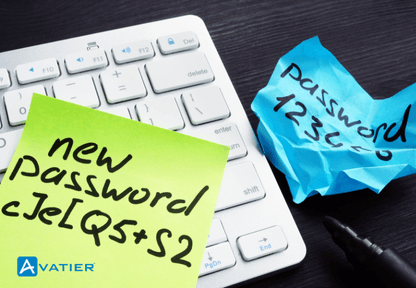
This tension creates what security experts call the “password paradox” – the inverse relationship between security requirements and user compliance. The more complex the requirements, the more likely users are to circumvent them through insecure practices like password reuse, sticky note reminders, or predictable pattern variations.
The UX Research Revolution in Password Management
Forward-thinking identity management providers like Avatier are addressing this paradox through comprehensive UX research, transforming password portals from necessary security hurdles into intuitive tools that enhance both security and productivity.
Key UX Research Findings in Password Portal Design
- Cognitive Load Management
Effective password portals recognize that human working memory has limitations. Research shows that the average person can only retain 5-9 items in working memory. When password requirements exceed this cognitive capacity, users resort to insecure coping mechanisms.
Modern password management solutions incorporate techniques to reduce cognitive load:
- Password strength meters with real-time feedback
- Progressive disclosure of requirements
- Visual cues that guide users without overwhelming them
- Error Prevention vs. Error Handling
Traditional password systems focus on error handling – creating messages that appear after a user makes a mistake. UX research reveals that error prevention is far more effective.
Advanced password management systems now employ:
- Proactive guidance during password creation
- Clear visibility into password requirements before errors occur
- Intelligent suggestions that meet security requirements while being memorable
- Contextual Security
Not all access requires the same level of security. UX research shows that contextual security models – where authentication requirements adapt based on risk factors – significantly improve user experience without compromising security.
Modern systems implement:
- Risk-based authentication that adjusts requirements based on user behavior, location, and device
- Adaptive multifactor authentication that triggers only when risk indicators are present
- Session-appropriate security levels that don’t overburden users for low-risk activities
The Anatomy of an Effective Password Portal
UX research has identified specific elements that contribute to effective password portal design:
1. Intuitive Navigation and Information Architecture
Users should never wonder where to go or what to do next. Research shows that password portals with clear visual hierarchies and intuitive flows have adoption rates 37% higher than those with complex navigation structures.
Leading password portals feature:
- Clear call-to-action buttons
- Logical grouping of related functions
- Progressive disclosure of advanced options
- Consistent placement of common functions
2. Feedback Mechanisms That Guide User Behavior
Effective password portals provide immediate, clear feedback that guides users toward secure practices. This includes:
- Real-time password strength indicators
- Actionable suggestions for improvement
- Confirmation of successful actions
- Clear error messages that explain both what went wrong and how to fix it
3. Self-Service Capabilities That Respect User Agency
According to a study by HDI, each password reset request costs organizations between $15 and $70 in IT support time. Self-service password reset functionality addresses this issue directly.
Advanced self-service password management includes:
- Multiple authentication options for recovery
- Mobile-friendly reset processes
- Clear step-by-step guidance
- Automated verification systems that maintain security while reducing friction
Behavioral Economics in Password Portal Design
UX researchers have increasingly incorporated principles from behavioral economics to improve password portal effectiveness. These insights leverage how humans actually make decisions rather than how we think they should make decisions.
Nudge Theory in Practice
Password portals that employ “nudge theory” – the concept of positive reinforcement and indirect suggestions to influence behavior – show significantly higher security compliance rates.
Effective nudges include:
- Default Settings That Favor Security
By making the secure option the default, organizations can leverage the status quo bias that makes users more likely to accept preset options.
- Social Proof Indicators
Messaging that shows what other users are doing can be powerful. For example, “87% of your colleagues use multifactor authentication” encourages adoption through social conformity.
- Framing Choices to Highlight Benefits
How options are presented dramatically affects decisions. Framing a security feature in terms of what users gain (“protect your account with one simple step”) rather than what they must do (“you are required to enable MFA”) improves voluntary adoption.
The Mobile-First Revolution in Password Management
With 70% of digital fraud now occurring through mobile channels, effective password portal design must prioritize mobile experiences. UX research into mobile password management has yielded important insights:
- Biometric Integration
Fingerprint and facial recognition technologies reduce the frequency of manual password entry while maintaining security. Research shows that biometric options increase both security compliance and user satisfaction.
- Contextual Keyboard Design
Mobile password entry experiences benefit from specialized keyboard layouts that make entering complex passwords easier on small screens.
- Progressive Web App Approaches
Rather than forcing users to download dedicated apps, responsive web design approaches that function like native apps provide the best balance of accessibility and functionality.
Organizations implementing mobile-friendly password management report 34% fewer password-related help desk tickets and significantly higher user satisfaction scores.
The Impact of Accessibility on Password Portal Effectiveness
Accessibility isn’t just about compliance with regulations like the ADA – it’s about ensuring all users can effectively manage their authentication credentials. UX research shows that accessible design improves usability for everyone, not just users with disabilities.
Key accessibility considerations include:
- Screen Reader Compatibility
Proper labeling, semantic HTML, and logical tab order ensure that visually impaired users can navigate password portals effectively.
- Keyboard Navigation
Not all users can or prefer to use a mouse or touchscreen. Robust keyboard navigation paths are essential.
- Colorblind-Friendly Design
Password strength indicators and error messages that rely solely on color differences exclude approximately 8% of male users with color vision deficiencies.
- Clear, Plain Language
Technical jargon and complex instructions create barriers. Research shows that instructions written at an 8th-grade reading level maximize comprehension across user populations.
Measuring Success: KPIs for Password Portal Effectiveness
Organizations can measure the effectiveness of their password portal designs through several key performance indicators:
- Reduction in Password-Related Support Tickets
Effective password portals typically reduce help desk volume by 20-40%.
- User Satisfaction Metrics
Net Promoter Scores (NPS) and System Usability Scale (SUS) measurements provide quantitative data on user satisfaction.
- Password Reset Completion Rates
The percentage of users who successfully complete password resets without abandonment or support assistance.
- Time-to-Resolution Metrics
How quickly users can complete password-related tasks.
- Security Incident Reduction
Effective password portals correlate with measurable reductions in credential-based security incidents.
The Future of Password Portal Design
As the identity management landscape evolves, several emerging trends will shape the future of password portal design:
- Passwordless Authentication
The shift toward authentication methods that don’t require traditional passwords is gaining momentum, with technologies like FIDO2 leading the way.
- AI-Assisted Security
Machine learning algorithms that detect anomalous behavior patterns can provide contextual security without burdening users.
- Zero Trust Architecture Integration
Password portals are increasingly becoming components of broader zero trust security frameworks that verify every access request as if it originates from an open network.
- Unified Identity Experience
The siloing of different authentication systems creates friction. Future password portals will unify the identity experience across applications, systems, and environments.
Conclusion: The ROI of User-Centered Password Portal Design
Organizations that invest in user-centered password portal design see measurable returns in multiple areas:
- Reduced IT support costs through self-service options
- Increased productivity from streamlined authentication processes
- Enhanced security through higher compliance rates
- Improved user satisfaction and reduced frustration
As security requirements continue to evolve in response to emerging threats, the organizations that succeed will be those that recognize password management not just as a security necessity but as a critical user experience touchpoint.
By leveraging the science of password portal design, organizations can transform what has traditionally been a point of friction into a competitive advantage. Modern password management solutions like Avatier’s Password Management incorporate these research-backed principles to deliver secure, user-friendly experiences that drive both compliance and satisfaction.
The most effective password portals don’t just protect organizations – they empower users to become active participants in the security process through intuitive design that makes doing the secure thing the easy thing.