August 25, 2025 • Mary Marshall
Understanding Authentication Methods: Multi-Factor vs Single Factor
Explore the benefits of MFA over single factor systems, and learn how Avatier enhances security with AI-driven solutions.
The security landscape for businesses is continuously evolving. As organizations strive to protect sensitive information, they are presented with a choice between single-factor authentication (SFA) and multi-factor authentication (MFA). Understanding these authentication methods is crucial for optimizing security practices and ensuring robust identity management.
What is Authentication?
Authentication is the process of verifying the identity of a user, device, or application. It serves as the critical first step in the process of access management and security. With the rise of cyber threats, choosing the right authentication strategy is vital for safeguarding enterprise environments.
Single-Factor Authentication: Simplicity vs. Security
Single-factor authentication (SFA) traditionally involves using a single layer of security, like a password or a personal identification number (PIN). While simple to use and easy to deploy, SFA presents several vulnerabilities. According to a Verizon Data Breach Investigations Report, 81% of data breaches were caused by weak or stolen passwords. This statistic highlights the inherent risks of relying solely on passwords for user authentication.
Despite its simplicity, SFA lacks the robustness needed in today’s threat landscape. The risk of password hacking, phishing attacks, and data breaches necessitates stronger security measures.
The Multifaceted Approach of Multi-Factor Authentication (MFA)
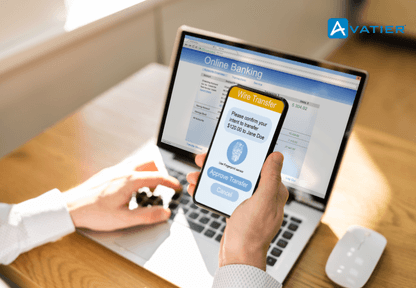
Multi-factor authentication (MFA) requires multiple credentials to verify identity. This typically combines something you know (password), something you have (a mobile device), and something you are (biometrics). According to Okta, organizations that integrate MFA experience a significant decrease in unauthorized access incidents.
MFA’s layered approach enhances security by creating multiple barriers for cyber attackers. It significantly mitigates the risk of compromised credentials, thus providing a more secure authentication framework. Visit Avatier’s Multifactor Integration page to understand how our solutions seamlessly integrate MFA into existing IT infrastructures without disrupting user experiences.
Benefits of Multi-Factor Authentication
- Enhanced Security: By requiring multiple forms of verification, MFA drastically reduces the risk of unauthorized access. It protects against common attacks like phishing, brute force, and man-in-the-middle (MITM) attacks.
- Improved User Confidence: End users, whether employees or customers, gain confidence knowing that their accounts and sensitive data are protected by robust security protocols.
- Compliance and Risk Reduction: Many industries and regulatory frameworks now mandate MFA due to its effectiveness in safeguarding information. Integrating MFA helps companies adhere to compliance requirements, reducing potential penalties.
- Integration with Zero Trust Architecture: MFA supports the zero-trust security model by ensuring that each identity is verified before accessing critical systems. Discover more about Avatier’s zero-trust principles and how they enhance identity management solutions.
Deploying MFA with Avatier
At Avatier, we recognize the importance of innovation in identity and access management. Our AI-driven identity management solutions are designed to provide seamless integration of MFA into your existing security frameworks. By leveraging state-of-the-art technologies, we simplify user authentication processes without compromising on security.
- AI-Driven Security Enhancements: Avatier’s MFA solutions are powered by AI to adaptively analyze risks and detect anomalies. This proactive stance ensures that potential threats are identified and mitigated swiftly.
- User-Centric Design: Our solutions prioritize user experience, offering self-service options for managing authentication preferences. This reduces the burden on IT support and enhances user satisfaction.
- Scalability and Flexibility: Avatier’s MFA solutions cater to businesses of all sizes. Whether operating in the cloud, on-premises, or hybrid environments, our identity management systems provide consistent and secure access.
Challenges of Implementing MFA
Despite its benefits, deploying MFA is not without challenges. Some organizations may face resistance from users due to perceived complexities. Furthermore, integrating MFA across legacy systems can pose technical difficulties.
However, these challenges are manageable with the right partner. Avatier helps businesses overcome these barriers by providing tailored solutions that accommodate unique operational needs. Our support team assists in streamlining the implementation process, ensuring a smooth transition to a more secure authentication framework.
Conclusion
In the battle against cyber threats, choosing between single-factor and multi-factor authentication is pivotal. While SFA offers ease of use, MFA provides the necessary security that modern enterprises demand. With Avatier’s sophisticated MFA solutions, companies can enhance their security postures, comply with regulatory requirements, and foster trust among users.
We invite security professionals, CISOs, and enterprise decision-makers to explore how Avatier’s identity management solutions can revolutionize authentication practices. By investing in advanced security measures today, organizations can safeguard their future in the digital realm.








